Introduction
Cold email remains one of the most effective ways to start conversations, generate leads, and build business relationships.
But successful cold email campaigns don't start when you click "Send."
They start long before that.
Many cold email campaigns fail because businesses focus heavily on:
Subject lines
Email copy
Follow-up sequences
while overlooking the fundamentals that determine whether emails reach real people in the first place.
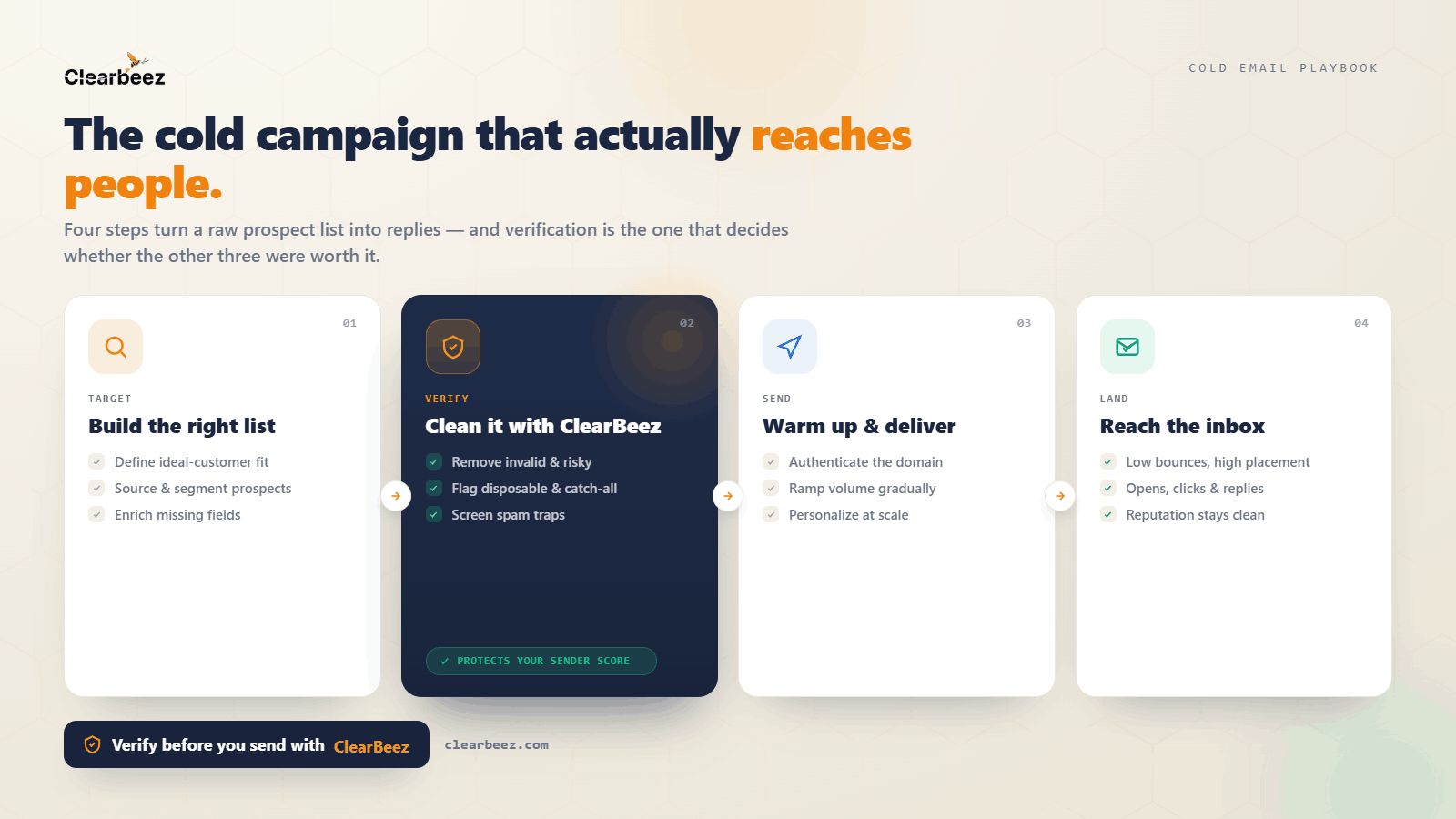
Before launching your next campaign, use this checklist to improve deliverability, engagement, and overall performance.
Step 1: Verify Your Email List
The quality of your email list directly affects campaign performance.
Sending emails to invalid or risky addresses can increase:
Bounce rates
Spam complaints
Deliverability issues
Before sending:
✔ Remove invalid emails
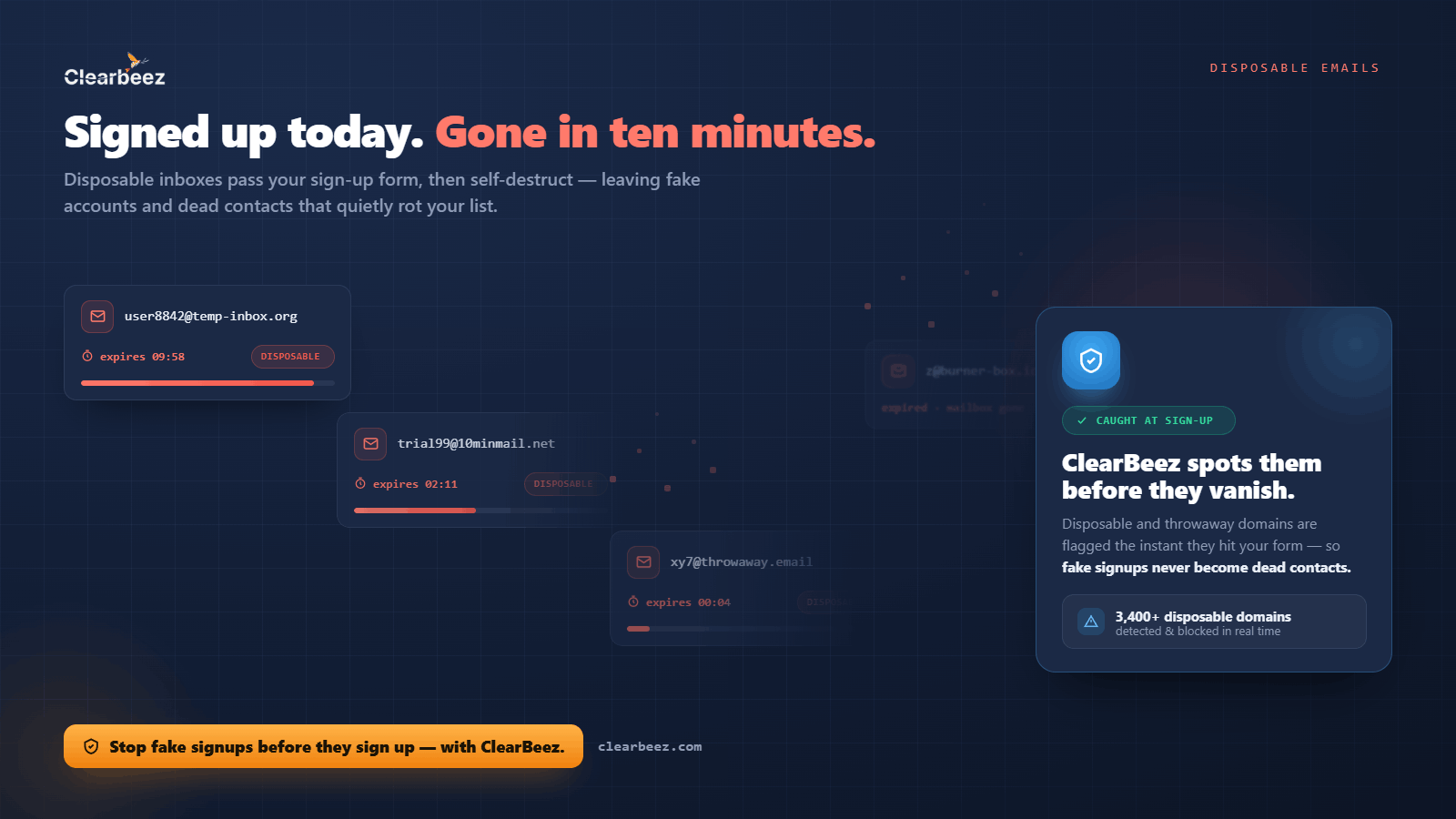
✔ Identify disposable addresses
✔ Review catch-all domains
✔ Clean outdated contacts
A smaller, cleaner list usually outperforms a larger, unverified one.
Step 2: Define Your Ideal Customer Profile (ICP)
Not every prospect is the right prospect.
Before sending cold emails, clearly define:
Industry
Company size
Job title
Geography
Pain points
The more targeted your audience, the higher your chances of generating meaningful responses.
Step 3: Research Your Prospects
Cold emails perform better when they feel relevant.
Before sending, gather information about:
The company
Recent news
Growth initiatives
Hiring activity
Industry challenges
Personalization begins with research.
Step 4: Validate Your Sending Domain
Deliverability starts with domain health.
Check that your domain has:
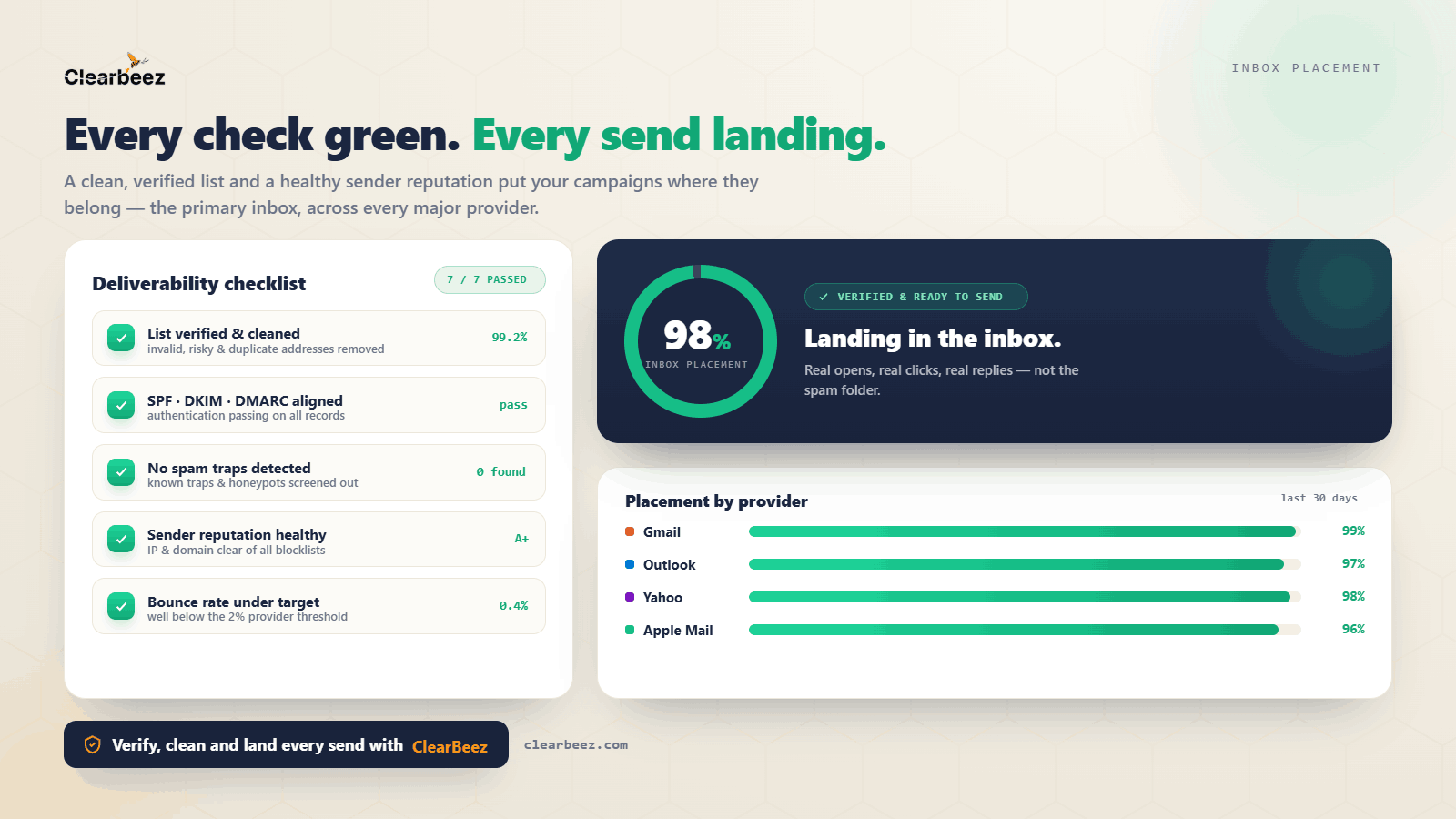
✔ SPF configured
✔ DKIM configured
✔ DMARC configured
These authentication records help mailbox providers trust your emails.
Step 5: Warm Up New Domains
If you're sending from a new domain, avoid sending large volumes immediately.
Mailbox providers become suspicious when a brand-new domain suddenly sends thousands of emails.
Gradually increase volume over time.
Consistency builds trust.
Step 6: Write a Clear Subject Line
Your subject line should create curiosity without sounding promotional.
Good subject lines are:
Short
Relevant
Specific
Avoid:
❌ Excessive capitalization
❌ Clickbait
❌ Spam-like language
Examples:
✔ Quick Question
✔ Idea for [Company Name]
✔ Thought on Your Hiring Growth
Step 7: Focus on Relevance, Not Creativity
Many cold emails fail because they focus too much on being clever.
Prospects care more about:
Their problems
Their goals
Their business
The best cold emails feel relevant, not creative.
Step 8: Keep the Email Short
Decision-makers receive hundreds of emails every week.
Respect their time.
A strong cold email is often:
50–150 words
Easy to scan
Focused on one objective
The goal is to start a conversation, not close a deal immediately.
Step 9: Include a Clear Call-to-Action
Every email should answer:
"What should the recipient do next?"
Examples:
✔ Open to a quick conversation?
✔ Worth exploring?
✔ Interested in learning more?
Avoid overwhelming recipients with multiple requests.
Step 10: Build a Follow-Up Sequence
Many replies come from follow-ups rather than the initial email.
Plan:
Follow-up #1
Follow-up #2
Follow-up #3
before launching the campaign.
Consistency often beats perfection.
Step 11: Test Before Sending
Always test:
✔ Personalization variables
✔ Links
✔ Formatting
✔ Mobile responsiveness
✔ Deliverability
Small mistakes can significantly impact results.
Step 12: Monitor Performance Metrics
After launching:
Track:
Bounce rate
Open rate
Reply rate
Positive response rate
Deliverability
Performance data helps improve future campaigns.
Quick Cold Email Checklist
Before sending, confirm:
☐ Email list verified
☐ Audience defined
☐ Prospects researched
☐ SPF configured
☐ DKIM configured
☐ DMARC configured
☐ Domain warmed up
☐ Subject line reviewed
☐ Email tested
☐ Follow-ups prepared
☐ Metrics tracking enabled
Common Cold Email Mistakes
Avoid:
❌ Sending to unverified lists
❌ Generic mass emails
❌ Overly long messages
❌ Weak follow-up processes
❌ Ignoring deliverability
❌ Using purchased email databases
How ClearBeez Helps
One of the most common causes of poor cold email performance is poor data quality.
ClearBeez helps businesses identify:
Invalid emails
Disposable addresses
Catch-all domains
Risky contacts
By verifying email addresses before campaigns are launched, businesses can reduce bounce rates and improve deliverability.
Final Thoughts
Successful cold email campaigns are built on preparation.
The best copy in the world can't help if the email never reaches the inbox.
Before your next campaign, focus on:
List quality
Deliverability
Targeting
Relevance
Getting these fundamentals right dramatically increases your chances of generating conversations, meetings, and opportunities.
Cold email success starts before you hit send.