Introduction
Email marketing remains one of the most effective channels for generating leads, nurturing prospects, and building customer relationships. However, even the best email campaigns can fail if messages never reach the intended inbox.
One of the biggest factors affecting email performance is bounce rate.
A high bounce rate can hurt your sender reputation, reduce deliverability, and impact the overall success of your campaigns. The good news is that most bounce issues can be prevented with the right practices.
In this guide, we'll explore what email bounce rate is, why it matters, and practical steps you can take to reduce it.
What Is Email Bounce Rate?
Email bounce rate is the percentage of emails that could not be delivered to recipients.
The formula is simple:
Bounce Rate = (Bounced Emails ÷ Total Emails Sent) × 100
For example, if you send 10,000 emails and 200 bounce, your bounce rate is 2%.
Email service providers closely monitor bounce rates because they indicate the quality of your email list and sending practices.
Types of Email Bounces
Hard Bounces
A hard bounce occurs when an email cannot be delivered permanently.
Common reasons include:
Invalid email addresses
Non-existent domains
Typographical errors in email addresses
Blocked recipient servers
Hard bounces should be removed from your mailing list immediately.
Soft Bounces
A soft bounce is a temporary delivery failure.
Common causes include:
Recipient mailbox is full
Server is temporarily unavailable
Message size is too large
Temporary network issues
Soft bounces may resolve themselves, but repeated soft bounces should be monitored.
Why High Bounce Rates Matter
Many marketers focus on open rates and click rates, but bounce rates can have a much bigger impact on long-term campaign performance.
High bounce rates can:
Damage sender reputation
Reduce inbox placement
Trigger spam filters
Lower engagement rates
Increase marketing costs
If mailbox providers consistently see bounced emails from your domain, they may begin treating future messages as suspicious.
Common Causes of High Bounce Rates
Poor List Quality
Old or purchased email lists often contain invalid or outdated addresses.
Typographical Errors
Mistakes such as:
can significantly increase bounce rates.
Lack of Email Verification
Many businesses collect emails through forms but never verify whether the addresses are valid.
Purchased Email Lists
Purchased lists often contain:
Invalid addresses
Disposable emails
Spam traps
Inactive accounts
Outdated Databases
Customer databases naturally degrade over time as people change jobs, companies, and email providers.
How to Reduce Email Bounce Rate
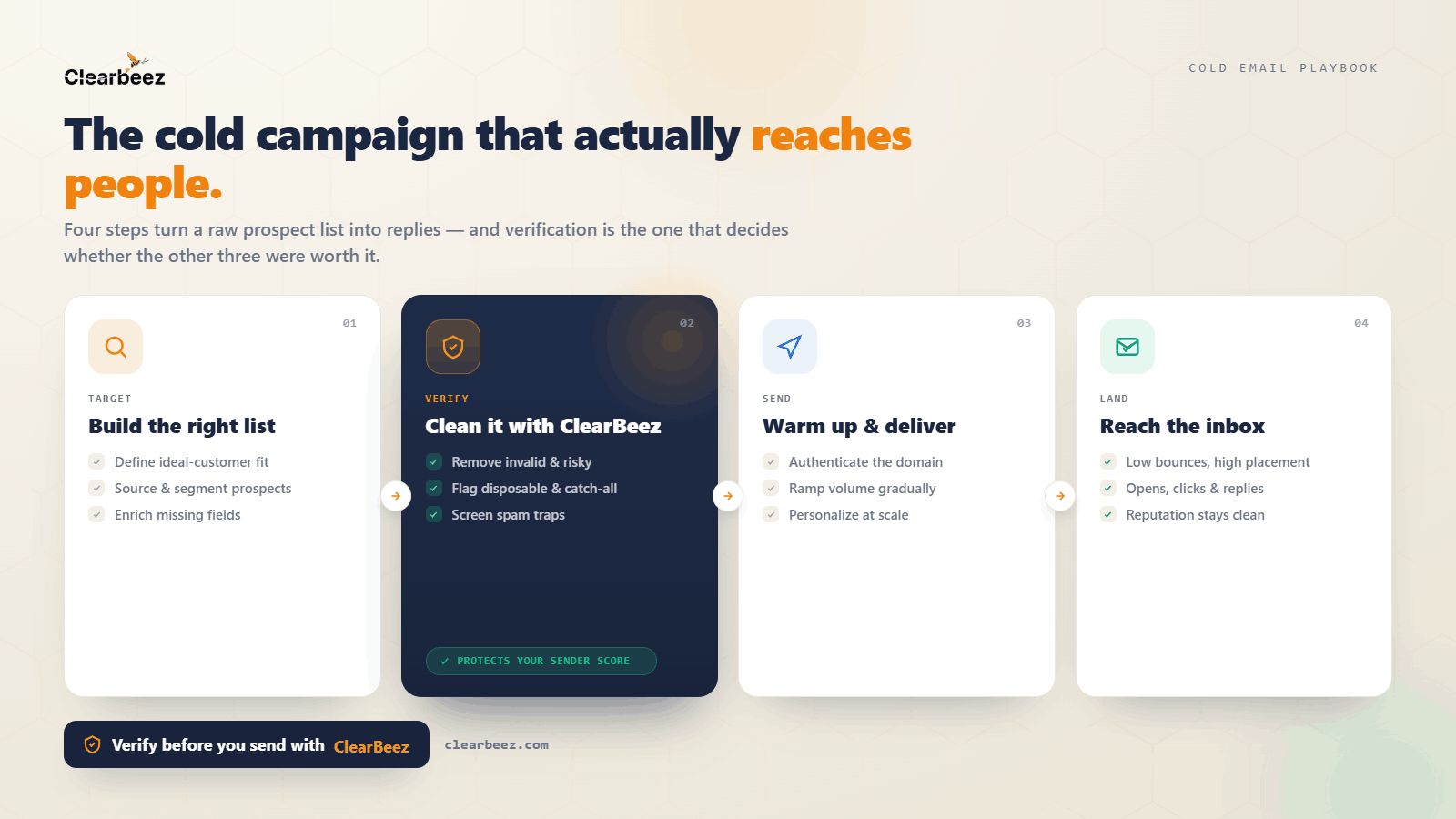
1. Verify Email Addresses Before Sending
Email verification is one of the most effective ways to reduce bounce rates.
Verification helps identify:
Invalid emails
Non-existent domains
Disposable addresses
Risky contacts
Catch-all domains
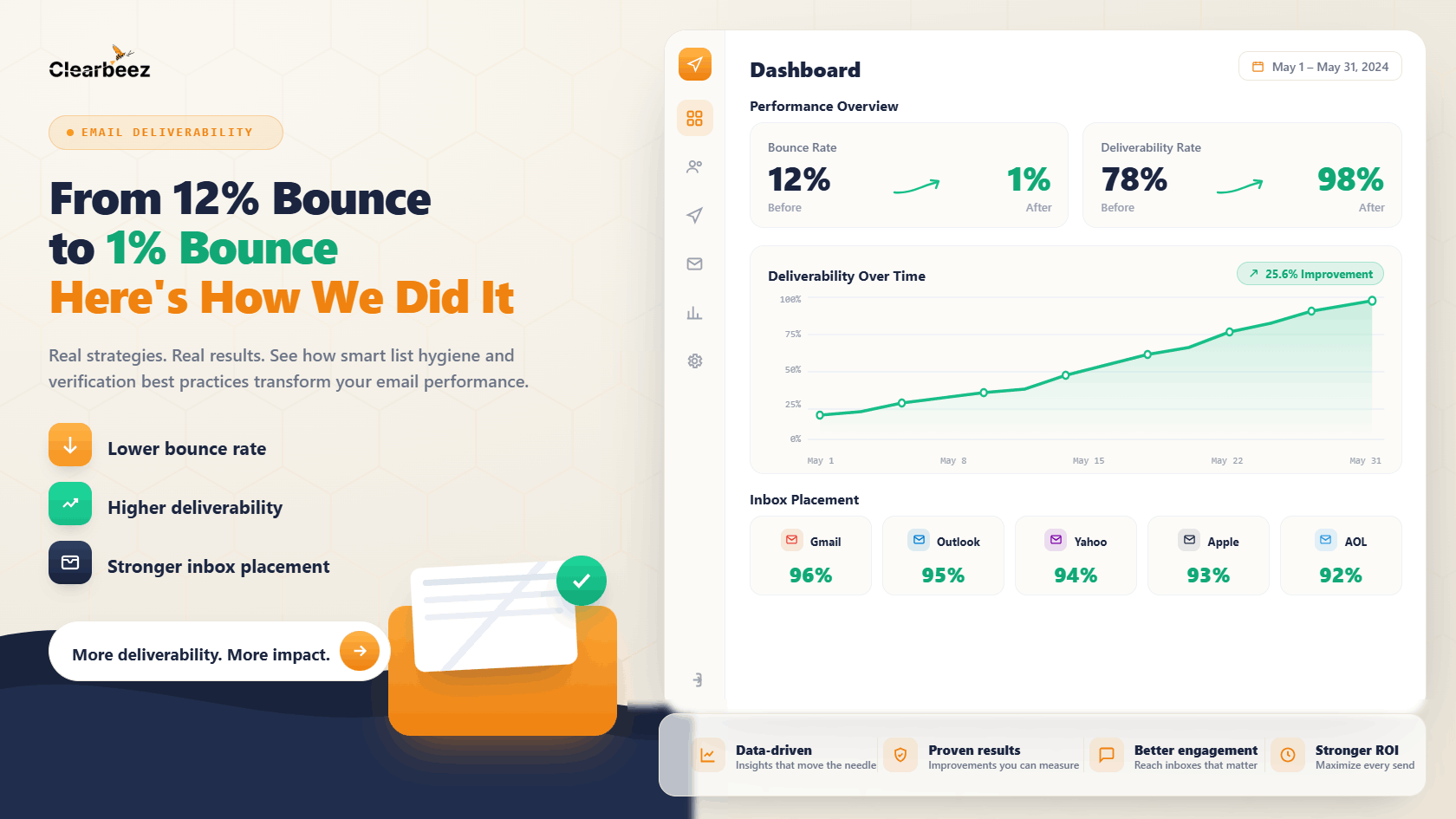
By removing problematic addresses before sending, businesses can significantly improve deliverability.
2. Clean Your Email List Regularly
Email lists are not static.
People:
Change jobs
Abandon email accounts
Switch providers
Regular list cleaning helps maintain accuracy and engagement.
A good practice is to review and clean your list every few months.
3. Avoid Buying Email Lists
Purchased email lists often lead to:
High bounce rates
Low engagement
Spam complaints
Building your own audience takes longer but produces better results over time.
4. Use Double Opt-In
Double opt-in requires subscribers to confirm their email address before joining your list.
Benefits include:
Fewer invalid addresses
Higher engagement
Better list quality
Reduced bounce rates
5. Monitor Engagement
Inactive subscribers can affect deliverability.
Track:
Opens
Clicks
Replies
Conversions
Consider removing subscribers who remain inactive for long periods.
6. Watch Your Sender Reputation
Mailbox providers evaluate:
Bounce rates
Spam complaints
Engagement levels
Sending consistency
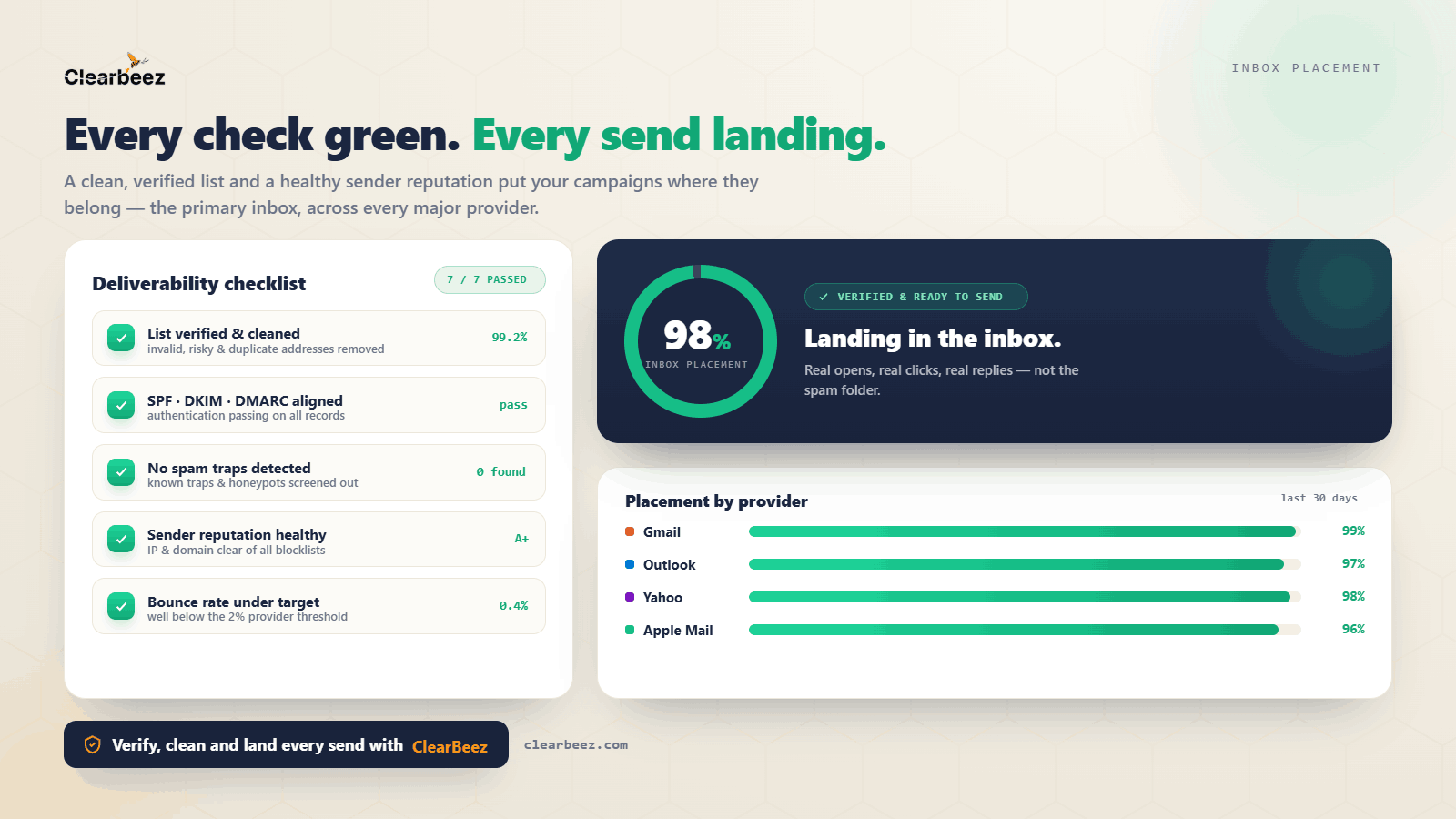
A strong sender reputation improves inbox placement and campaign performance.
What Is a Good Bounce Rate?
While benchmarks vary by industry, generally:
Below 1% = Excellent
1%–2% = Good
2%–5% = Needs attention
Above 5% = High risk
The lower your bounce rate, the healthier your email program is likely to be.
How ClearBeez Helps
Reducing bounce rates starts with improving data quality.
ClearBeez helps businesses verify email addresses before sending campaigns by identifying:
Invalid emails
Disposable addresses
Risky contacts
Catch-all domains
This allows marketers, sales teams, and businesses to focus on real opportunities while protecting sender reputation.
Final Thoughts
Reducing email bounce rate is not just about improving one metric.
It's about protecting your sender reputation, improving deliverability, and ensuring your messages reach real people.
By verifying email addresses, maintaining clean lists, and following best practices, businesses can improve campaign performance and achieve better long-term results.
Before optimizing your next email campaign, make sure your data is working for you—not against you.
Related Reading
What Is Email Verification? And Why It Matters More Than Most Businesses Realize